
Celia’s Two Selves
All the Old KnivesCelia’s contrast between her former operative identity and her present family identity raises the question of whether reinvention is authentic or another performance.
increasing Bearing strength in each event
 decreasing
Bearing strength in each eventdecreasingThe Operative Persona

The Operative Persona
Skill
Celia 1 is a practiced case officer who can improvise, manipulate conversation, and reveal hidden meanings. She takes pleasure in seeing beneath public appearances.
Construction
Her skill is real, but it is also a professional mask. Henry later wonders whether he loved the woman beneath it or the version he imagined.
The Family Identity
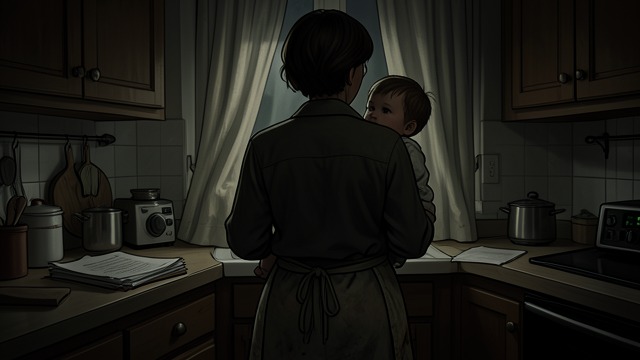
The Family Identity
Reinvention
Celia 2 describes herself through motherhood, local work, and a quieter life. She wants the past to remain separate from her children’s future.
Doubt
Henry suspects that the new identity may be as carefully constructed as the old one. The possibility that either self is a performance unsettles his idea of knowing her.
A Story of Addiction

A Story of Addiction
Admission
Celia describes intelligence work as an addiction to secret knowledge and operational excitement. She says family life was always a destination but that the job delayed her arrival.
Interpretation
Her explanation gives purpose to the move without proving that every earlier motive was simple. The former operative and the mother are presented as connected stages rather than completely separate people.
The Old Self Returns

The Old Self Returns
Reading the Room
Celia recognizes Henry’s evasions, identifies his concealed motive, and steers the conversation toward the evidence. Her old professional skills return under pressure.
Continuity
The scene complicates the idea that she has left her former self behind. The operative remains available when the safety of her present life appears threatened.
No Simple Authenticity

No Simple Authenticity
Confrontation
Celia does not become a single, stable identity once the secrets are revealed. She remains a mother, a former officer, and a participant in a lethal operation.
Ambiguity
Henry cannot settle which Celia was real because both identities shaped her choices. The novel resists the comforting idea that one version can be discarded without consequence.
Celia’s Vienna years
The first years in Carmel
During the dinner’s early conversation
October 16, 2012, during the investigation
Near the ending
